




Chronic discomfort and tension can affect daily life, making simple tasks feel more challenging and diminishing overall comfort. While some people turn to medications for temporary relief, many are exploring alternative approaches that support general wellness and a sense of balance. Techniques rooted in traditional practices and physical stimulation offer opportunities to encourage relaxation, ease tension, and enhance overall comfort without relying on pharmaceuticals.
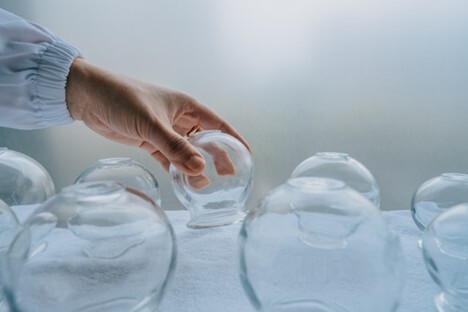
These approaches aim to help the body feel more relaxed, support circulation, and encourage gentle movement. Using tools such as the best cupping therapy set can complement daily wellness routines, making it easier to incorporate regular moments of care and attention. By understanding these techniques and integrating them into a lifestyle approach, individuals can enjoy greater comfort, a sense of energy, and an overall improvement in day-to-day well-being.
Encouraging Relaxation Through Targeted Stimulation
One popular method focuses on gentle stimulation of muscles and soft tissues to promote a sense of relaxation and ease. Mild mechanical vibrations or other forms of controlled stimulation can help individuals feel more at ease, especially after activity or periods of tension.
The principle behind these approaches is simple: by engaging the body in a mindful way, individuals can create moments of comfort, reduce feelings of tightness, and encourage a sense of calm. Many people enjoy incorporating these practices into daily routines, such as after exercise or during evening relaxation sessions.
Exploring Pressure Points for Balance
Another approach emphasizes the use of targeted pressure on specific areas of the body to encourage relaxation and a feeling of lightness. Rooted in centuries-old practices, this method focuses on areas commonly associated with tension and discomfort, helping participants feel more centered and comfortable.
By gently engaging these points, individuals can create a sense of release and encourage a natural flow of ease throughout the body. This practice often contributes to a calmer, more balanced day, particularly when combined with other supportive habits such as stretching, mindful breathing, or gentle movement.
Supporting Circulation and Comfort
Movement and gentle stimulation can also help individuals feel more alert, energized, and ready for daily activity. Activities and techniques that encourage light circulation and relaxation help promote a sense of vitality, which can make daily tasks feel easier and more enjoyable.
When combined with practices like regular stretching or mindfulness, these approaches contribute to a holistic sense of well-being. Participants often report feeling lighter, more balanced, and more in tune with their daily routines.
Incorporating Practices Into Everyday Life
Adopting these alternative approaches does not require a major lifestyle overhaul. Small, consistent sessions can make a noticeable difference in overall comfort and energy. Short moments of targeted relaxation or gentle stimulation can be incorporated at work, after exercise, or during morning and evening routines.
Complementary habits such as staying hydrated, engaging in light activity, and following a balanced diet can enhance the overall experience. Mindfulness practices, such as meditation or focused breathing, further support relaxation and help individuals create a sense of calm and focus throughout the day.
Professional Guidance and Safe Use
While these practices are generally safe, guidance from knowledgeable practitioners can help individuals get the most out of their wellness routines. Professionals can provide instruction on safe usage, proper techniques, and integrating complementary practices to enhance comfort and ease.
Learning the basics from an expert ensures that these methods are applied in ways that feel enjoyable and safe. Whether it’s understanding proper positioning, pacing, or integrating tools into daily life, professional insight can enhance the overall experience.
Beyond Immediate Comfort
One of the most appealing aspects of these drug-free wellness techniques is their holistic effect on daily life. Beyond simple relaxation, participants often feel more present, focused, and connected to their routines. Regular practice can make everyday activities feel smoother and more enjoyable, encouraging a sense of balance and calm.
Engaging in intentional self-care also fosters mindfulness, helping individuals become more aware of areas of tension or fatigue and encouraging proactive, self-directed wellness habits. Over time, this leads to a greater sense of overall comfort and life satisfaction.
Embracing Lifestyle-Focused Approaches
Discomfort and tension do not have to define daily life. By exploring alternative approaches that support relaxation, gentle movement, and a sense of ease, individuals can create moments of comfort and enhance their overall well-being. Techniques that focus on gentle stimulation, engaging pressure points, and promoting light circulation provide enjoyable ways to support everyday comfort and energy.
When paired with professional guidance, mindful habits, and consistent practice, these drug-free methods offer a sustainable way to foster a sense of wellness and balance. In today’s environment, where holistic and preventive care is valued, embracing these strategies empowers individuals to cultivate comfort, focus, and vitality naturally and safely.