




Sushi is one of those rare foods that feels indulgent while still being light and nutritious. Making it at home can be even more rewarding, giving you control over the ingredients and portion sizes so you can align your meal with your health goals. Many people assume sushi is calorie-heavy due to the rice or sauces, but with the right techniques and substitutions, it’s easy to create flavorful rolls that clock in under 300 calories each. All you need are some fresh ingredients, a bamboo rolling mat, and a few nori seaweed sheets to get started.
Why Homemade Sushi Is a Smart Choice
When you order sushi from a restaurant, you don’t always know how much sugar has been added to the rice, how heavy-handed the chef has been with mayonnaise-based sauces, or whether the fish is truly fresh. Making sushi at home allows you to:
Control portions: You decide how much rice to use, helping reduce calories without compromising taste.
Skip excess sauces: Store-bought sushi often comes with spicy mayo or creamy dressings that add unnecessary fat. Homemade rolls can rely on fresh herbs, spices, and light soy or ponzu for flavor.
Boost nutrition: You can pack rolls with vegetables, lean proteins, and even alternative grains like quinoa or cauliflower rice.
Experiment freely: Try new fillings, fusion flavors, or plant-based options that fit your lifestyle.
The result? Rolls that are just as satisfying as takeout, but lighter, cleaner, and tailored to your preferences.
Tips for Keeping Sushi Rolls Low-Calorie
Before diving into recipes, let’s highlight some strategies for healthier, lighter rolls:
Use less rice: Sushi rice is delicious but calorie-dense. Reducing the layer of rice or substituting part of it with cauliflower rice can cut calories in half.
Load up on veggies: Crunchy cucumber, avocado (in moderation), carrots, bell peppers, and leafy greens add bulk and texture without driving up calories.
Choose lean proteins: Options like tuna, salmon, shrimp, or even tofu provide satisfying protein with fewer calories than fried tempura or heavy cream fillings.
Limit avocado and sauces: A little avocado goes a long way for creaminess. Stick to fresh lemon, low-sodium soy, or wasabi for flavor without excess calories.
Roll thinner: Large, restaurant-style rolls can easily exceed 500 calories. Smaller rolls with tighter wrapping help with portion control.
Healthy Sushi Roll Recipes Under 300 Calories
Each recipe below makes one full roll (6–8 pieces), with calorie counts estimated based on standard ingredients.
Cucumber and Avocado Roll
Calories: ~220 per roll
A light, refreshing option perfect for beginners.
Ingredients:
- 1 sheet sushi rice (½ cup cooked, lightly seasoned)
- ¼ medium avocado, sliced thin
- ½ cucumber, julienned
Optional: sprinkle of sesame seeds
Directions:
Spread a thin layer of rice across the roasted seaweed sheet, leaving 1 inch at the top.
Place avocado and cucumber slices across the center.
Roll tightly, seal with water, and slice into 6–8 pieces.
The avocado provides creaminess while cucumber keeps things crisp and hydrating.
Spicy Tuna Light Roll
Calories: ~280 per roll
A lighter spin on the classic spicy tuna roll, with yogurt instead of mayo.
Ingredients:
- ½ cup sushi rice
- 2 oz sashimi-grade tuna, finely chopped
- 1 tsp plain Greek yogurt
- ½ tsp sriracha (or to taste)
- 1 green onion, thinly sliced
Directions:
Mix tuna, yogurt, sriracha, and green onion in a small bowl.
Spread rice thinly across the sheet.
Add tuna mixture along the center, roll, and slice.
Using yogurt instead of mayonnaise keeps the creamy texture while reducing fat and calories.
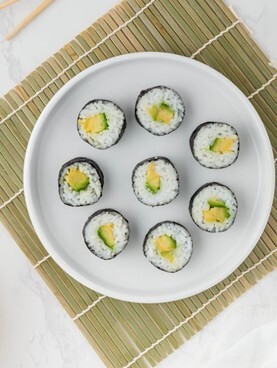
Shrimp and Veggie Roll
Calories: ~250 per roll
A protein-packed roll with crunch from fresh veggies.
Ingredients:
- ½ cup sushi rice
- 2–3 cooked shrimp, halved lengthwise
- ¼ carrot, julienned
- ¼ cucumber, julienned
- Fresh cilantro leaves
Directions:
Spread rice over the sheet, leaving space at the top.
Place shrimp, carrot, cucumber, and cilantro across the middle.
Roll tightly, seal, and slice.
Shrimp is naturally low in calories and high in protein, balancing out the fresh vegetables.
Smoked Salmon and Spinach Roll
Calories: ~270 per roll
An elegant roll with bold flavors.
Ingredients:
- ½ cup sushi rice
- 2 oz smoked salmon
- Handful of baby spinach
- 1–2 thin slices red onion
Directions:
Spread rice in a thin layer.
Add salmon, spinach, and onion slices in the center.
Roll and slice into bite-sized pieces.
Smoked salmon delivers rich flavor in small amounts, while spinach bulks up the roll without many calories.
Tofu and Pickled Veggie Roll
Calories: ~230 per roll
A great plant-based option with tangy crunch.
Ingredients:
- ½ cup sushi rice
- 2 oz baked or pan-seared tofu, sliced thin
- 2–3 pickled radish or cucumber slices
- Shredded lettuce or cabbage
Directions:
Spread rice over the sheet.
Layer tofu, pickled vegetables, and lettuce in the center.
Roll and slice.
Tofu provides plant-based protein, while pickled veggies give a punch of flavor without calorie-dense sauces.
Low-Calorie Dipping Sauces & Pairings
The right dip can enhance sushi rolls without pushing them over the calorie limit. Here are some options:
Ponzu Sauce: A citrus-based soy sauce that’s tangy and refreshing.
Light Soy Sauce: Choose low-sodium to reduce salt intake.
Wasabi Paste: A little goes a long way in boosting flavor.
Pickled Ginger: A palate cleanser with minimal calories.
For beverages, green tea or sparkling water with lemon complements sushi perfectly without adding extra calories.
Homemade Perfection
Homemade sushi doesn’t have to be complicated or calorie-dense. By making thoughtful ingredient swaps, keeping rice portions modest, and embracing fresh vegetables, you can roll out delicious creations that stay under 300 calories each. Whether you stick with simple cucumber and avocado, experiment with lean proteins like shrimp or tuna, or explore plant-based options with tofu, the possibilities are endless.
So next time you’re craving sushi, skip the takeout menu and create a healthier version at home. You’ll save calories, money, and enjoy the satisfaction of crafting something fresh and flavorful with your own hands.