




For centuries, practitioners of traditional medicine have focused on specific areas of the body known as pressure points. These points are recognized in many healing traditions and are used in techniques such as acupressure, massage, and acupuncture. Historical texts and practices have emphasized the role of these points in body awareness, structured routines, and targeted stimulation. Tools such as acupuncture needles have long been incorporated into these practices, allowing for precise engagement with certain areas.
Understanding the Location and Use of Pressure Points
Pressure points are often described as being located along pathways called meridians in traditional Chinese medicine. While the concept of “qi” or life energy is central to these practices, contemporary perspectives also highlight the anatomical locations of pressure points where muscles, connective tissue, and nerve pathways converge. Practitioners have traditionally used these points to guide massage and stimulation techniques, emphasizing observation, precision, and consistency.
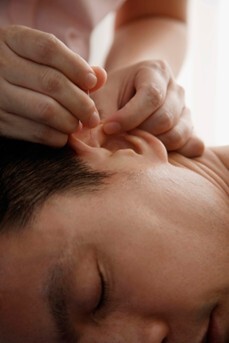
The application of pressure to these points can vary widely depending on the technique. Acupressure involves gentle or firm pressure applied manually, while massage may include kneading, rubbing, or rhythmic movements. Acupuncture uses fine needles inserted at specific locations. Each method focuses on engagement with particular points rather than producing any specific outcomes.
Scientific Perspectives on Pressure Point Stimulation
Modern imaging and electrophysiological studies have investigated how stimulation of these areas interacts with the nervous system and musculoskeletal structures. Researchers observe that certain nerve fibers and pathways are activated when pressure or other stimuli are applied to these points. This information has informed professional practice by enhancing the understanding of point location, depth, and angle of stimulation, allowing practitioners to maintain consistency and safety.
Techniques, Training, and Safe Practice in Pressure Point Work
Various techniques have evolved to complement pressure point practice. These may include combining manual methods with stretching routines, temperature-based approaches, or guided instruction in point location. Training in correct methods and sterilization is emphasized to minimize risks and maintain safe practice standards.
Pressure point practice also emphasizes attentiveness and precision. Accurate identification of points, the appropriate amount of pressure, and timing are all central considerations for practitioners. Misapplication can lead to discomfort or bruising, while proper engagement supports a controlled and deliberate process.
Practitioners often combine these techniques with broader routines that include stretching, mindful observation, and structured sessions to guide individuals in learning how to locate and engage points consistently.
The Role of Education and Learning in Practice
Education plays a key role in the use of pressure point methods. Understanding the history, traditions, and anatomy associated with each point allows practitioners and learners to explore techniques with confidence. Workshops, guided tutorials, and professional training programs provide instruction on point identification, handling tools, and integrating these practices into a structured routine. This focus on learning and observation is a central part of pressure point techniques, emphasizing skill and knowledge rather than specific effects.
Integrating Pressure Points Into Practice
Pressure points have a long-standing place in the history of manual and traditional therapies. The emphasis is on structured routines, observation, and attention to technique. It is important to purchase acupuncture needles from reputable sources to ensure safe and hygienic practice. Over time, these approaches provide a framework for developing skill in point location, pressure application, and sequence, reflecting a blend of tradition and contemporary understanding.
Bridging Tradition with Science
The study of pressure points highlights the ways in which traditional knowledge and modern scientific perspectives intersect. Researchers and practitioners continue to document anatomical features, pathways, and methods, creating opportunities for education and skill development. By focusing on training, consistency, and careful observation, individuals can explore pressure point techniques safely and with an informed approach.
Moving Forward with Informed Practice
Pressure point techniques stand at the intersection of long-standing traditions and evolving modern perspectives. From historical practices rooted in cultural understanding to contemporary approaches shaped by anatomical and scientific study, they offer a structured way of engaging with the body that emphasizes attentiveness, observation, and precision. Safe exploration, whether through manual methods, guided routines, or tools relies on proper training, quality equipment, and consistent practice.
As education and research continue to expand, individuals and practitioners alike have the opportunity to refine their skills and deepen their awareness of these methods. By blending respect for tradition with modern standards of safety and consistency, pressure point practice remains a meaningful framework for personal growth, professional development, and ongoing exploration.