




Electrical stimulation devices are now widely used in both professional and home environments. These portable tools deliver controlled electrical pulses to particular areas of the body, providing a simple way to target specific regions with minimal preparation. While traditionally associated with clinical settings, many individuals have begun incorporating them into their daily routines for ease and convenience. Some users also research TENS electrode pads as part of understanding how these devices function.
This guide provides practical insights on integrating electrical stimulation devices into everyday life, including tips for setup, use, and care.
Why Choose an Electrical Stimulation Device
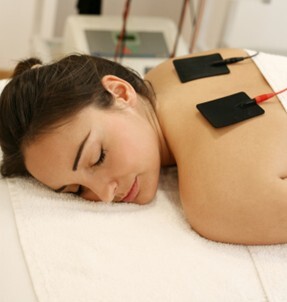
Electrical stimulation devices typically work by sending small, controlled pulses through adhesive electrodes placed on the skin. These electrodes can be positioned on various muscle groups or areas of interest, depending on the intended application. Key components of these devices include:
- Electrodes: Adhesive pads that transmit electrical pulses to targeted areas. They come in different shapes and sizes to accommodate different body regions.
- Control Unit: A small, often portable device that regulates pulse intensity, duration, and frequency.
- Power Source: Many devices are battery-operated, while others may be rechargeable or plug-in models.
These devices are designed for repeated use, and the settings can be adjusted depending on the user’s comfort, routine, or target areas. While widely recognized for their use in professional settings, portable units have made it easier to integrate electrical stimulation into daily activities.
Identifying Appropriate Times for Use
One of the benefits of portable electrical stimulation devices is their flexibility. They can often be incorporated into various parts of a daily routine, such as:
- During Work: Compact devices can be discreetly worn under clothing or on a chair while sitting at a desk. Many people choose to use them during sedentary tasks.
- After Physical Activity: Using a device after exercise or repetitive movements can provide a controlled stimulation session while sitting or resting.
- While Relaxing at Home: Electrical stimulation sessions can be paired with reading, watching television, or other low-movement activities.
It’s important to plan sessions during periods when minimal movement is required, as electrodes may lose adhesion or shift if the body is in motion. Scheduling sessions at consistent times can also help create a reliable routine.
Positioning Electrodes
Proper electrode placement is essential for effective use and comfort. Consider the following guidelines:
- Target Specific Areas: Identify the region where stimulation is desired, whether it’s a larger muscle group or a more localized area.
- Skin Preparation: Ensure the skin is clean and dry before applying electrodes. This helps maintain adhesion and ensures consistent contact.
- Spacing and Orientation: Electrodes should be spaced according to device instructions. In general, they should not overlap, and the spacing should be consistent to allow even distribution of pulses.
Experimentation with placement may be necessary to determine what works best within your daily routine. Many users find that starting with a few key areas is preferable before gradually increasing coverage.
Integrating Sessions Into Routine Activities
Electrical stimulation devices can be incorporated seamlessly into various daily habits. Here are practical examples:
Morning Routine
Starting the day with a brief session can be part of a morning routine, such as during breakfast or while getting ready for work. For users with compact devices, it’s possible to complete a session while performing light activities, as long as electrodes remain in place.
Work or Study Sessions
During desk work or study periods, portable devices can be used to provide consistent stimulation without interrupting productivity. Many users place electrodes on the upper back, shoulders, or forearms while working at a desk to accommodate stationary tasks.
Evening or Relaxation Time
Evening routines are an ideal opportunity for longer sessions. Devices can be set up during reading, watching a show, or simply unwinding at home. This helps incorporate stimulation into existing leisure activities, avoiding the need for additional scheduling.
Managing Session Duration and Frequency
The length and frequency of sessions can vary depending on device settings and personal comfort. General considerations include:
- Session Length: Start with shorter sessions to determine comfort and electrode adherence. Gradually extend session time if desired.
- Frequency: Daily or multiple-times-per-day sessions are possible with portable devices. However, spacing sessions evenly throughout the day is often easier to integrate into a routine.
- Intensity Settings: Adjust pulse intensity gradually. Begin with lower settings to evaluate how the body responds, then modify as needed for comfort or personal preference.
Maintaining a log of session timing, duration, and settings can help users identify patterns and determine the most effective routine.
Care and Maintenance of Electrodes
Proper care of electrodes is essential for consistent use and longevity:
- Cleaning the Skin: Wipe the skin with a clean, dry cloth before each session. Avoid oils or lotions that may reduce adhesion.
- Storage: Keep electrodes in a sealed bag or container when not in use to prevent drying out.
- Replacement: Electrodes wear out over time. Inspect pads regularly and replace them when adhesive quality diminishes.
- Rehydrating Pads: Some reusable electrodes can be lightly moistened to extend adhesion life.
By taking these precautions, users can maintain effective sessions and reduce the likelihood of interruptions in their daily routine.
Safety and Comfort Considerations
While electrical stimulation devices are generally designed for safe use, some basic precautions should be observed:
- Avoid Sensitive Areas: Electrodes should not be placed on broken or irritated skin, near the eyes, or directly over the heart.
- Monitor Comfort: Discontinue use if discomfort, skin irritation, or unexpected sensations occur.
- Consultation for Specific Conditions: Individuals with implanted medical devices or certain medical considerations should seek professional guidance before incorporating electrical stimulation.
Following manufacturer guidelines ensures that sessions remain safe and comfortable.
Exploring Accessories and Tools
Many users also incorporate accessories to make daily use more convenient:
- Electrode Belts or Straps: Help secure electrodes on areas where adhesion may be challenging.
- Portable Carriers or Clips: Allow devices to be worn discreetly while on the move.
- Replacement Packs: Keeping extra electrodes on hand ensures sessions are not interrupted.
These tools can simplify integration into daily life and provide flexibility in positioning and session timing.
Tips for Consistent Routine Integration
To successfully integrate electrical stimulation devices into a daily routine, consider the following strategies:
- Pair Sessions With Existing Activities: Linking stimulation sessions to routine tasks increases consistency.
- Set Reminders: Use phone alarms or calendar notifications to maintain regular session times.
- Keep Devices Accessible: Store devices and electrodes in a location that makes setup easy and convenient.
- Experiment With Timing: Try sessions at different times of day to determine when devices fit most naturally.
Consistency helps build familiarity and ensures the device becomes a seamless part of daily life rather than an added task.
A Practical Part of Everyday Life
Electrical stimulation devices offer a flexible, non-invasive way to engage targeted areas in professional and personal settings. By understanding the basics of electrode placement, session timing, and proper maintenance, these devices can be incorporated effectively into daily routines.
With thoughtful planning, they can become a straightforward part of everyday life, complementing existing habits without requiring significant changes to schedules or routines. Individuals interested in exploring these techniques may also research where to purchase acupuncture needles to better understand the types of tools used in similar applications.
Ultimately, integrating electrical stimulation into daily routines comes down to preparation, consistency, and familiarity with device operation, making it a manageable and accessible option for a variety of users.