




Maintaining good circulation is an important aspect of overall wellness. Proper blood flow helps deliver nutrients to tissues and supports general energy and comfort. While regular physical activity and balanced nutrition are key factors, there are also lifestyle habits and wellness practices that many people incorporate to support circulation.
Techniques such as massage, dry brushing, and the use of cupping sets can complement daily routines and encourage a sense of revitalization and comfort.
The Role of Exercise
Staying active is one of the most widely recommended ways to support healthy circulation. Aerobic activities like walking, jogging, swimming, or cycling encourage movement and can leave participants feeling energized. Strength training, yoga, and simple stretching can also support mobility and reduce feelings of stiffness. Even short sessions of moderate activity most days of the week can contribute to overall comfort and wellness.
Nutrition and Hydration
The foods and beverages you choose play a role in supporting overall vitality. Diets rich in fruits, vegetables, whole grains, and sources of healthy fats can contribute to a feeling of well-being and energy. Staying hydrated helps maintain fluid balance and supports daily bodily functions. Making mindful choices in nutrition and hydration can complement active lifestyles and other wellness practices.
Massage and Manual Therapies
Massage is a popular method for promoting relaxation and comfort. Techniques such as deep tissue massage, lymphatic-style massage, or self-massage using foam rollers and massage balls can help ease muscle tension and support a sense of lightness and ease. Many people find that regular sessions help them feel more limber and refreshed throughout the day.
Traditional Practices
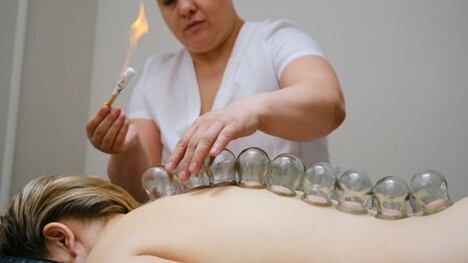
Cupping therapy is an ancient practice that has been used for centuries in wellness routines across various cultures. In this technique, suction is applied to the skin using cups, creating a gentle lifting sensation that many people find unique and enjoyable. The process can leave temporary marks, often circular in shape, which typically fade within a few days.
Many individuals incorporate cupping into their self-care routines for relaxation, easing muscle tension, and promoting a sense of overall rejuvenation. Cupping sessions can be combined with other wellness practices such as massage, stretching, or heat therapy to enhance a feeling of balance, comfort, and mindfulness. Additionally, some practitioners integrate aromatic oils or guided breathing during cupping sessions to further elevate the sensory experience and create a calming, restorative environment.
Whether used occasionally or as part of a regular self-care regimen, this technique provides a versatile way to explore tactile wellness techniques that support daily comfort and relaxation.
Heat and Hydrotherapy
Warmth from baths, saunas, or heated pads is commonly used for comfort and relaxation. Alternating between warm and cool water, as in contrast hydrotherapy, can create an invigorating sensation and promote a feeling of refreshment. Incorporating heat and hydrotherapy into routines is a way to complement exercise and wellness habits while enjoying restorative moments.
Breathing and Mind-Body Practices
Deep breathing exercises, mindfulness, meditation, and gentle movement practices such as yoga, tai chi, or qigong can provide a sense of calm and overall relaxation. These techniques encourage individuals to slow down, focus on the present moment, and cultivate a heightened awareness of their body and surroundings.
Many people incorporate these practices into daily routines to support stress management, improve mental clarity, and foster a greater connection between mind and body. Regular engagement can create a rhythm of intentional pauses throughout the day, helping to alleviate mental fatigue and promote emotional balance.
Combining mindful movement with controlled breathing can enhance flexibility, posture, and a general sense of physical ease, leaving practitioners feeling more centered, refreshed, and prepared to handle the demands of daily life.
Lifestyle Habits
Simple adjustments throughout the day can support comfort and a sense of energy. Taking breaks from prolonged sitting, walking, stretching, elevating the legs occasionally, and practicing good posture are practical ways to integrate movement. Choosing healthy habits, such as limiting excessive alcohol, avoiding smoking, and maintaining regular sleep patterns, also contributes to overall wellness and daily comfort.
Enhancing Wellness Through Thoughtful Daily Practices
Supporting circulation and overall vitality is most effective when approached holistically, combining consistent lifestyle habits, mindful nutrition, regular movement, and targeted wellness practices. Techniques such as massage, cupping, hydrotherapy, and mindful breathing complement physical activity and daily self-care routines, offering opportunities to pause, restore, and reconnect with the body. Integrating these practices into everyday life can help cultivate a sense of energy, relaxation, and overall comfort, encouraging a balanced approach to well-being. By embracing intentional routines that nurture both body and mind, individuals can create sustainable habits that support resilience, vitality, and a mindful, healthful lifestyle.