




Hands-on pressure point techniques involving touch, applied pressure, or physical manipulation have been used across diverse cultures for generations. Today, these methods are still practiced in a range of settings, from clinical environments to individual routines. Pressure point–focused techniques, sometimes involving the placement of extremely fine needles at precise locations, are often noted for their structured methodology and distinct theoretical foundation. Individuals interested in these practices may even research where to purchase acupuncture needles as part of learning more about the tools involved.
What Are Pressure Point Techniques?
Pressure point techniques are based on the idea that specific locations on the body correspond to broader systems and patterns. Practitioners identify these points using established maps and frameworks that have been developed over time.
In some variations, stimulation is applied using gentle manual pressure, while in others, extremely thin, single-use needles are inserted into the skin at precise depths. The process is typically performed in a controlled setting by a trained professional.
Sessions generally involve:
- A consultation or intake process
- Identification of specific points based on established systems
- Application of pressure or placement of fine instruments
- A set period of stillness or minimal movement
The approach is structured, repeatable, and guided by traditional models that outline how different points are connected.
How These Techniques Differ From Massage-Based Methods
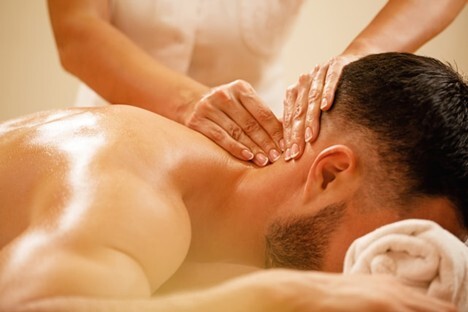
Massage is one of the most widely recognized manual methods. It typically involves hands-on manipulation of muscles and soft tissues using techniques such as kneading, rubbing, or stretching.
Focus of Application
Massage generally targets larger muscle groups and soft tissue areas. In contrast, pressure point techniques concentrate on highly specific locations that may not always align with muscle structures.
Type of Contact
Massage relies on continuous physical contact using hands, forearms, or tools. Pressure point techniques may involve stationary contact or the placement of fine instruments, with minimal movement once applied.
Movement vs. Stillness
Massage sessions often involve ongoing movement across different areas of the body. Pressure point sessions tend to emphasize stillness after the initial placement or stimulation.
Structural Framework
Massage techniques are typically based on anatomy and physiology. Pressure point methods follow mapped systems that define relationships between points, often independent of muscle groupings.
Comparison With Physical Therapy Techniques
Physical therapy encompasses a range of methods designed to support movement and function. These may include guided exercises, stretching routines, and hands-on techniques.
Active Participation
Physical therapy often requires active involvement from the individual, such as performing exercises or movements. Pressure point techniques are generally passive, with the individual remaining still during the session.
Goal Orientation
Physical therapy sessions are usually structured around measurable functional goals, such as range of motion or strength. Pressure point techniques follow a different framework based on point selection and placement patterns.
Tools and Equipment
Physical therapy may involve equipment like resistance bands, weights, or machines. Pressure point techniques rely on minimal tools, primarily involving manual contact or fine, single-use instruments.
Comparison With Chiropractic Adjustments
Chiropractic methods focus on alignment and movement within the musculoskeletal system, particularly the spine. Adjustments often involve controlled, quick movements applied to joints.
Technique Style
Chiropractic adjustments are typically dynamic and involve movement or force applied over a short duration. Pressure point techniques are more static, with stimulation applied gently and held in place.
Area of Focus
Chiropractic care often centers on joints and skeletal alignment. Pressure point techniques are distributed across various mapped locations throughout the body.
Sensory Experience
Adjustments may involve noticeable movement or audible sounds. Pressure point techniques are generally quieter and involve minimal visible motion.
Comparison With Acupressure and Similar Methods
Acupressure and related techniques use manual pressure applied to specific points, often with fingers, palms, or tools.
Method of Stimulation
Both approaches target similar mapped locations. However, pressure point techniques that involve fine instruments use insertion rather than external pressure.
Depth of Application
Manual pressure is applied at the surface level, while instrument-based techniques may reach different depths depending on the method used.
Session Structure
Acupressure sessions often involve continuous movement between points, while instrument-based approaches may involve placing and leaving instruments in position for a set time.
Training and Practitioner Approach
Pressure point techniques that involve fine instruments require specialized training. Practitioners learn point locations, insertion techniques, safety protocols, and the theoretical systems that guide point selection.
Other manual methods also require training, but the focus varies:
- Massage professionals typically study anatomy, muscle groups, and hands-on techniques
- Physical therapy providers undergo clinical training focused on movement science
- Chiropractic professionals specialize in spinal and joint mechanics
Each discipline has its own certification standards, regulatory requirements, and scope of practice.
Tools and Environment
One of the distinguishing features of pressure point techniques is the minimalistic setup. A typical session may include:
- A treatment table or chair
- Single-use, sterile instruments (in applicable methods)
- A quiet, controlled environment
In comparison:
- Massage sessions may use oils, lotions, and adjustable tables
- Physical therapy settings often include equipment and open space
- Chiropractic offices may feature specialized adjustment tables
The simplicity of the setup reflects the focused nature of the technique.
Duration and Session Flow
Session length can vary depending on the method:
- Pressure point techniques often last between 20 and 40 minutes, with a portion of the time spent in stillness
- Massage sessions may range from 30 to 90 minutes with continuous movement
- Physical therapy appointments can vary widely depending on the program
- Chiropractic visits are often shorter and more frequent
The pacing and structure of each session type contribute to a distinct overall experience.
Considerations When Comparing Methods
When evaluating different manual approaches, several factors may influence decision-making:
Preference for Interaction Style
Some individuals prefer active engagement, while others may prefer a more passive experience.
Comfort With Tools or Techniques
Different methods involve varying levels of physical contact, movement, or use of instruments.
Time Commitment
Session length and frequency can differ significantly between approaches.
Setting and Environment
Some people may prefer a clinical setting, while others are more comfortable in a spa-like or minimalistic environment.
A Distinct Approach Within Manual Techniques
Pressure point techniques that incorporate fine, targeted stimulation represent a distinct category within the broader field of manual methods. Their structured point systems, minimal movement, and use of specialized tools set them apart from more widely recognized approaches like massage, physical therapy, and chiropractic care.
Understanding these differences can help individuals make more informed decisions when exploring various options. Rather than viewing one method as better than another, it is more useful to recognize that each approach operates within its own framework, with unique techniques and processes.
The Differences in Practice and Philosophy
Manual techniques continue to evolve, blending traditional frameworks with modern training and professional standards. Pressure point–based approaches offer a unique perspective, emphasizing precision, structure, and minimalism in both technique and environment.
By comparing these methods side by side, it becomes easier to understand how they differ, not just in application, but in philosophy and execution. Whether you are researching options or simply expanding your knowledge, having a clear, neutral understanding of these approaches provides a solid foundation for further exploration.Top of FormBottom of Form