




Chronic pain affects millions of people worldwide, impacting daily life, work productivity, and emotional well-being. While prescription medications and over-the-counter pain relievers have long been the standard approach, growing concerns over side effects, dependency, and long-term health implications have led many to explore non-pharmaceutical methods for managing discomfort. By incorporating lifestyle changes, physical therapies, and targeted wellness interventions, individuals can achieve meaningful pain relief while supporting overall health.
Understanding Chronic Pain
Pain is considered chronic when it persists for more than three months. It can result from conditions such as arthritis, fibromyalgia, nerve injuries, or musculoskeletal issues. Unlike acute pain, which signals immediate injury, chronic pain may continue even after the initial cause has resolved, impacting mobility, sleep, mental well-being, and overall quality of life.
Effective management often involves a holistic approach that addresses both the physical symptoms and lifestyle factors. Tools such as TENS electrodes, which deliver gentle electrical stimulation, can be incorporated as part of a broader pain relief strategy.
Physical Therapy and Movement
Regular physical activity is widely incorporated into routines aimed at supporting overall comfort and mobility. Low-impact activities such as walking, swimming, cycling, and yoga encourage movement, flexibility, and circulation throughout the body. Building strength in the muscles surrounding sensitive areas may help reduce everyday strain, while consistent stretching supports range of motion and ease of movement.
For individuals seeking structured guidance, working with a licensed physical therapist can provide personalized exercise plans tailored to individual needs and goals, with an emphasis on proper technique and gradual progression.
Heat and Cold Therapy
Thermal therapy is commonly used as part of non-medication comfort routines. Heat packs, warm baths, or infrared sessions are often incorporated to promote relaxation and a soothing sensation in areas of tension. Cold packs are also widely used to create a cooling effect that can feel calming after physical activity or during periods of discomfort. Some individuals alternate between warm and cool applications as part of their regular self-care practices. Many people choose to include these methods in their daily routines as a simple way to support overall comfort and relaxation.
Mind-Body Techniques
Persistent discomfort is often influenced by emotional and mental factors, including stress and overall mood, which can shape how sensations are experienced. Mind-body practices such as meditation, deep breathing, guided imagery, and mindfulness are frequently incorporated into daily routines to encourage relaxation and greater body awareness.
Techniques like progressive muscle relaxation or biofeedback focus on helping individuals become more attuned to physical responses and patterns. Cognitive behavioral therapy (CBT) is also commonly used to explore and reframe unhelpful thought patterns, supporting a more constructive and balanced perspective when navigating ongoing discomfort.
Nutritional Support
Food choices can play a role in overall lifestyle routines and daily comfort. Many people choose to include nutrient-dense options such as leafy greens, berries, fatty fish, and whole grains as part of a balanced approach to eating, while limiting highly processed foods, added sugars, and excessive alcohol. Maintaining adequate hydration is also a common component of general wellness habits. Some individuals explore herbs or dietary supplements like turmeric, ginger, or magnesium as part of their routine. Consulting a qualified professional can help ensure that any dietary adjustments align with personal preferences and individual needs.
Alternative Therapies
Several complementary therapies have gained recognition for their ability to relieve chronic pain:
- Acupuncture: By stimulating specific points on the body, acupuncture can help reduce pain signals and release endorphins, the body’s natural painkillers.
- Massage Therapy: Regular massage relaxes muscles, improves circulation, and relieves tension in affected areas.
- Chiropractic Care: Proper spinal alignment may reduce nerve pressure and improve mobility.
- Cupping Therapy: This technique uses suction cups to draw blood to the surface, improve circulation, and relieve muscle tightness. Using cupping sets at home or under professional supervision can complement other pain management strategies.
Electrical Stimulation Therapy
Electrical stimulation therapy is a widely used option for managing chronic pain without relying on medication. TENS devices deliver mild electrical currents to targeted areas, which may help interfere with pain signals and promote a natural soothing response. This approach is often incorporated into broader pain management plans for issues like back discomfort, joint stiffness, and nerve-related sensitivity. Small adhesive electrode pads are positioned on the skin to deliver the current to specific areas, making this method non-invasive and convenient for at-home or clinical use as part of an ongoing comfort strategy.
Lifestyle Adjustments
Small changes in daily routines can significantly impact pain management:
- Sleep Hygiene: Adequate, restorative sleep is crucial for pain modulation and tissue repair. Establishing a consistent bedtime routine and a comfortable sleep environment can improve outcomes.
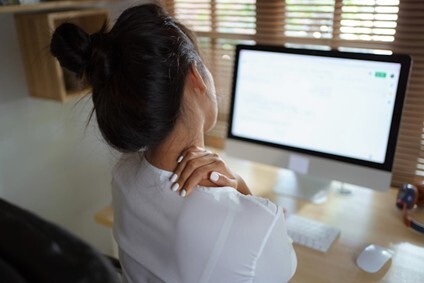
- Ergonomics: Adjusting workstations, chairs, and sleeping positions reduces strain on muscles and joints.
- Pacing Activities: Breaking tasks into smaller steps and alternating between activity and rest prevents overexertion and flare-ups.
Support Networks
Living with chronic pain can be isolating, but social and professional support improves coping strategies. Support groups, therapy sessions, and online communities provide encouragement, shared experiences, and practical advice. Family and friends can also play an essential role in helping individuals manage day-to-day activities while maintaining independence.
A Holistic Approach to Long-Term Comfort and Everyday Function
Addressing persistent discomfort without medication often involves a well-rounded strategy that considers physical activity, mindset, and daily habits. Approaches such as guided movement programs, temperature-based therapies, relaxation techniques, mindful eating patterns, complementary practices, and electrical stimulation devices can all play a role in a comprehensive routine.
By exploring a combination of these options, individuals can create a personalized plan that supports mobility, encourages balance, and promotes a greater sense of overall well-being, while reducing dependence on pharmaceutical solutions.