


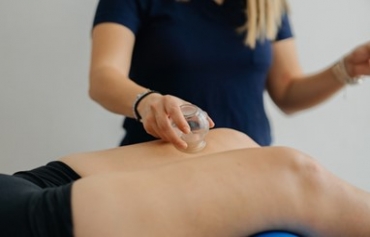
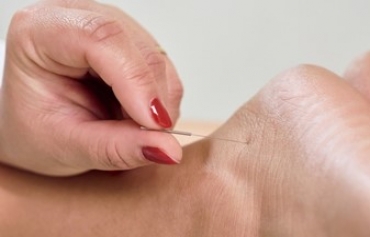
In the quest for optimal health and well-being, many individuals are turning to traditional healing practices that have stood the test of time. Among these, cupping therapy and acupuncture are two powerful modalities with ancient roots in Traditional Chinese Medicine (TCM). Both treatments offer a range of health benefits individually, but when combined, they can create a synergistic effect that enhances overall wellness. The following article explores the benefits of using the best cupping therapy sets along with acupuncture modalities, and how their combined use can promote holistic health.



7/30/2024 9:04 AM
7/30/2024 1:44 PM
Chronic pain affects millions of people worldwide, significantly impacting their quality of life and daily functioning. Conditions such as arthritis, migraines, and fibromyalgia are particularly challenging, often requiring comprehensive and long-term management strategies. Amid the growing interest in alternative and complementary therapies, acupuncture has emerged as a promising option for managing chronic pain. The following article explores how acupuncture supplies can be used to alleviate chronic pain conditions, offering hope and relief to those who suffer from persistent discomfort.

9/3/2024 1:03 PM
Sushi has transcended its humble origins to become a symbol of culinary sophistication. What was once a simple dish of vinegared rice, fish, and vegetables has evolved into a canvas for creativity, with chefs around the world pushing the boundaries of tradition. The rise of premium sushi, featuring high-quality ingredients like wagyu beef, truffle, and caviar, is transforming the sushi roll into a gourmet experience that appeals to both the discerning palate and the adventurous foodie.

9/10/2024 5:32 AM
Methylglyoxal (MGO) has garnered significant attention in recent years, particularly for its presence in manuka honey and its impressive antibacterial properties. Produced from the nectar of the Leptospermum scoparium plant (commonly known as the manuka bush) in New Zealand and parts of Australia, it is celebrated for its potent healing abilities. Central to this is MGO, a compound that plays a key role in fighting bacteria, making honey from the manuka plant an effective natural remedy for wounds, infections, and more. But what exactly is methylglyoxal, and how does it combat harmful bacteria?

9/26/2024 7:56 AM
One compelling reason to consider natural remedies for immune support is their potent antibacterial effects. Many natural substances have been shown to inhibit the growth of harmful pathogens that can weaken the immune system. For instance, certain herbs and essential oils can effectively combat bacteria like Staphylococcus aureus and Escherichia coli, helping your body fend off infections more effectively.

9/26/2024 8:05 AM
Whether you’re an aficionado or a beginner, hosting a ‘make-your-own’ gathering allows everyone to enjoy delicious food while engaging in a hands-on experience. To make the process easier and more enjoyable, consider using a sushi roll cutter to achieve perfectly sliced pieces, ensuring that each bite is just the right size. Don’t forget to stock up on sushi seaweed sheets, as they serve as the essential base for your rolls, allowing you to create a variety of delicious combinations. Here’s a guide on how to plan and host the perfect party, covering menu planning, decorations, and serving tips.

11/6/2024 10:01 AM
Pain is a universal experience that can be debilitating, whether it results from injury, chronic conditions, or muscle tension from physical activity. Electrotherapy has gained popularity as a non-invasive, drug-free method of pain management and muscle recovery. By using electrical impulses to stimulate nerves and muscles, this modality offers a safe and effective option for managing discomfort and promoting healing. The following article explores the benefits of electrotherapy, how it works, and best practices for incorporating it into various therapeutic settings.
Electrotherapy Explained
Electrotherapy involves the application of electrical impulses to targeted areas of the body through small adhesive pads placed on the skin. These electrical currents stimulate nerves or muscles to reduce pain, improve circulation, and promote healing. There are different types of devices available, but one of the most commonly used methods is Transcutaneous Electrical Nerve Stimulation. TENS unit electrodes deliver low-voltage electrical pulses to interrupt pain signals sent to the brain, providing relief for both acute and chronic discomfort.
In order to maintain the effectiveness of this type of pain management therapy, it's important to regularly check and replace the adhesive pads used with the device. Over time, the adhesive can wear out, reducing their ability to conduct electrical impulses effectively. TENS replacement pads are essential for ensuring proper contact with the skin and maximizing the therapeutic benefits of the treatment. Keeping up with replacing the pads after the recommended number of uses is a simple but crucial part of maintaining an effective pain management regimen.
Another form of electrotherapy, Electrical Muscle Stimulation (EMS), focuses on stimulating muscle contractions. EMS is often used by athletes and in physical therapy settings to improve muscle strength and speed up recovery from injuries.
How it Helps with Pain Management
Electrotherapy offers several mechanisms by which it can alleviate pain. Here’s how it works:
Blocking Pain Signals: Electrotherapy devices send electrical impulses to the nerves, which interfere with the pain signals being sent to the brain. This "pain gate" mechanism essentially blocks the pathway, reducing the perception of pain.
Releasing Endorphins: Electrical stimulation can trigger the release of endorphins, which are the body's natural painkillers. By increasing endorphin levels, electrotherapy creates a sense of well-being while minimizing pain.
Reducing Inflammation and Swelling: Electrical impulses help improve blood flow to the affected area, reducing inflammation and promoting faster recovery. This increased circulation brings more oxygen and nutrients to the tissues, aiding in the healing process.
Muscle Relaxation and Spasm Relief: Muscle spasms can contribute to significant discomfort, particularly in conditions like sciatica or fibromyalgia. This treatment helps relax muscles, relieving spasms and reducing stiffness.
Benefits for Muscle Recovery
In addition to pain management, this modality is widely used for muscle recovery, particularly among athletes and individuals undergoing physical therapy. By stimulating muscle contractions, it can accelerate healing and improve muscle function. Here are some of the benefits for muscle recovery:
Increased Muscle Strength: EMS can help strengthen weak or atrophied muscles by causing controlled muscle contractions. This is particularly beneficial for people recovering from surgery or injuries that have limited their ability to use certain muscle groups.
Enhanced Recovery Post-Workout: Athletes often use electrotherapy to speed up recovery after intense physical activity. By improving blood flow and relaxing muscles, electrotherapy helps reduce soreness and prevent delayed-onset muscle soreness (DOMS).
Prevention of Muscle Atrophy: After injury or surgery, muscles can lose mass and strength due to disuse. Electrical stimulation therapy helps keep muscles active during recovery, preventing atrophy and promoting faster rehabilitation.
Improved Range of Motion: It also helps reduce muscle tightness and spasms, which can improve the overall range of motion for individuals recovering from injuries or surgeries.

Best Practices
To maximize the benefits, it’s important to follow best practices in both therapeutic and home-use settings. Here are some tips:
Placement
The effectiveness of transcutaneous electrical stimulation depends largely on where the conducive pads are placed on the body. For pain management, they should be positioned around the area experiencing discomfort, near the nerve pathways related to that pain. For muscle recovery, the pads should be placed over or around the muscle groups needing stimulation. Many devices come with detailed placement guides to help users get the most out of their therapy sessions.
Adjusting the Intensity
Start with a low intensity and gradually increase it to a level that is comfortable but still effective. Too high a setting can cause discomfort or even muscle fatigue. The goal is to feel a strong but pleasant tingling sensation. Always refer to the device's user manual for recommended settings based on the type of treatment being performed.
Timing the Sessions
The length of treatment sessions can vary depending on the goal, but typically, a session lasts between 15 to 30 minutes. It's important not to overuse these products. For pain management, a few sessions per day can be helpful. For muscle recovery, shorter, more frequent sessions may yield the best results.
Keeping the Skin Safe
To avoid skin irritation, make sure the skin is clean and dry before applying. Replace pads regularly as they lose their stickiness and effectiveness over time. If any redness or irritation occurs, take a break and allow the skin to recover before resuming treatment.
Consult with a Healthcare Professional
While electrotherapy can be an excellent tool for pain management and muscle recovery, it’s important to consult with a healthcare provider or physical therapist, especially if using the device to manage chronic pain or during post-surgical recovery. Professionals can provide personalized guidance on the best use of electrotherapy based on individual health conditions and needs.
Uses in Different Therapeutic Settings
Electrotherapy is versatile and can be used in a variety of settings, including:
At-Home Use: Many of these therapeutic units are compact and portable, allowing individuals to manage pain and muscle recovery in the comfort of their own homes. These devices are simple to operate and can be tailored to different types of discomfort.
Physical Therapy Clinics: Physical therapists frequently use these modalities as part of a rehabilitation plan for patients recovering from surgery, injuries, or chronic conditions. When combined with other treatments like manual therapy and exercises, electro-stimulation can speed up recovery.
Athletic Training: Professional athletes and fitness enthusiasts use this treatment to manage muscle soreness, prevent injuries, and enhance post-workout recovery. Portable EMS devices have become a staple in the toolkit of athletes looking for non-invasive recovery methods.
Conclusion
Electrotherapy offers a powerful, non-invasive option for pain management and muscle recovery. Whether you're dealing with chronic pain, recovering from an injury, or looking to optimize athletic performance, the right electrotherapy device can make a significant difference. By following best practices, consulting with professionals, and using electrotherapy consistently, you can experience long-term benefits and improve your overall quality of life.
11/6/2024 10:29 AM
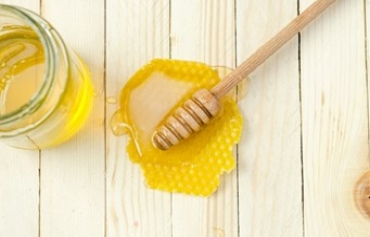
Honey has long been cherished as a natural sweetener and a powerhouse of health benefits. However, not all honey is created equal. The quality, purity, and potency can vary dramatically, and that’s where honey grading systems come into play. Understanding these grading systems can help consumers make more informed choices, ensuring they are selecting the right product for their needs, whether for culinary, medicinal, or general wellness purposes. The following article details the various honey grading systems, explaining what each means and how it impacts the honey you purchase.
What Sets Various Products Apart?
Among the many types of honey available, Manuka honey is especially prized for its medicinal properties. Produced primarily in New Zealand from the nectar of the Leptospermum Scoparium tree, this product has gained a global reputation for its antibacterial and healing properties. What sets it apart is its unique grading system, which measures the concentration of beneficial compounds such as methylglyoxal (MGO). The higher the UMF rating, the more potent the healing properties. Products with a high UMF are often used for wound care, immune support, and even skin treatments, making it a popular choice for those seeking therapeutic benefits beyond regular honey.
Understanding Honey Grading Systems
Honey grading systems are designed to assess the quality, purity, and taste. These systems vary depending on the country of origin and can include factors such as moisture content, clarity, and flavor. Below are some of the most common grading systems consumers should be aware of when shopping for honey.
USDA Honey Grading
In the United States, the Department of Agriculture (USDA) uses a grading system that classifies honey into different categories based on its color, clarity, aroma, and moisture content. The grades are as follows:
Grade A (Fancy): This is the highest quality honey. It is clear, free of defects, and has an excellent flavor and aroma.
Grade B (Choice): This honey is slightly less clear than Grade A but still maintains good flavor and appearance.
Grade C (Standard): These products may contain some impurities, have a darker color, and have a slightly less desirable taste.
Substandard: This honey does not meet the criteria for the other grades and may have poor clarity, flavor, or consistency.
Pfund Scale (Color Grading)
The Pfund scale is used to measure the color of honey, which can range from nearly transparent to very dark. While color doesn’t necessarily indicate quality, it can give clues about the flavor profile and floral source. The Pfund scale ranges from water white (the lightest) to dark amber (the darkest), with the following common classifications:
Water White: Lightest in color, often mild in flavor.
Extra White: Slightly darker than water white, with a delicate taste.
White: Medium-light, commonly found in wildflower honey.
Amber: Darker in color, typically with a more robust flavor.
Dark Amber: Rich and intense flavor, often used in cooking or for medicinal purposes.
Consumers who prefer mild honey should opt for lighter varieties, while those seeking bolder flavors might enjoy darker honey.
The Diastase Number
The diastase number measures the enzymatic activity, specifically the enzyme diastase, which helps break down starches. A high diastase number indicates that the product is fresh and has not been overheated during processing. Honey that has been excessively heated will have a lower diastase number, which reduces its nutritional and medicinal value. When choosing nature’s syrup for health purposes, such as raw or unprocessed, a higher diastase number is preferable.
Hydroxymethylfurfural (HMF) Levels
Hydroxymethylfurfural (HMF) is a compound that forms when the sweetener is heated or stored for long periods. While small amounts of HMF occur naturally in this product, high levels indicate that it has been over-processed or aged. The European Union has strict regulations on HMF levels, setting the maximum allowable concentration at 40 mg/kg for most. Lower HMF levels are a sign of high-quality, minimally processed products, making it a key factor for discerning consumers who are seeking the freshest and purest products.
Specialty Grading Systems for Therapeutic Uses
In addition to these general grading systems, certain types of goods have specialized grading methods due to their unique medicinal properties.
As mentioned earlier, the UMF system measures the concentration of key compounds, such as MGO. A higher UMF rating means the honey has stronger antibacterial and healing properties. Ratings typically range from UMF 5+ to UMF 20+ and beyond, with anything above 10+ considered to have significant therapeutic value.
The MGO Rating is often used alongside the UMF rating and specifically measures the amount of methylglyoxal, the compound responsible for antibacterial properties. The higher the MGO rating, the more potent the honey.
These specialized grading systems help consumers choose the right type of honey for their needs, whether they’re looking for a natural remedy or a daily health booster.

Why The Grading Matters for Consumers
Understanding honey grading systems allows consumers to make more informed decisions when selecting the right product for their needs. Higher-grade products tend to have better flavor, nutritional value, and purity, while lower-grade items may be less suitable for therapeutic use or culinary applications. For those looking for specific health benefits, knowing how to interpret UMF and MGO ratings is essential.
In a market where this natural sweetener is often mislabeled or adulterated with additives, these grading systems provide transparency and help ensure that consumers are getting what they pay for. Whether you're purchasing it for its taste, health benefits, or medicinal properties, understanding the grading systems will guide you toward the best quality product for your needs.
Conclusion
Honey is a versatile and health-promoting product, but not all honey is of equal quality. By familiarizing yourself with the different grading systems, including USDA grades, the Pfund scale, diastase numbers, and specialty ratings like UMF, you can make more informed decisions when buying these products. Whether you're a culinary enthusiast, a natural health advocate, or someone looking for the best medicinal honey, knowing how to navigate these grading systems ensures you get the highest-quality product available.

7/10/2025 4:02 AM
Electrical Muscle Stimulation (EMS) has gained popularity as a tool for individuals aiming to support their injury recovery process. While traditionally used by athletes and physical therapists, EMS devices are now more accessible for home use, offering a unique way to engage muscles through electrical impulses. Whether you’re recovering from a sports injury, surgery, or simply looking to complement your wellness routine, understanding how EMS works and what to expect can help you make informed decisions about incorporating this technology into your recovery plan.
Read More
9/4/2025 1:02 PM
Many people assume sushi is calorie-heavy due to the rice or sauces, but with the right techniques and substitutions, it’s easy to create flavorful rolls that clock in under 300 calories each.
Read More