




In the quest for optimal health and well-being, many individuals are turning to traditional healing practices that have stood the test of time. Among these, cupping therapy and acupuncture are two powerful modalities with ancient roots in Traditional Chinese Medicine (TCM). Both treatments offer a range of health benefits individually, but when combined, they can create a synergistic effect that enhances overall wellness. The following article explores the benefits of using the best cupping therapy sets along with acupuncture modalities, and how their combined use can promote holistic health.
Understanding Cupping Therapy and Acupuncture
Cupping Therapy
Cupping therapy involves placing cups on the skin to create suction. This suction pulls the skin and underlying tissues into the cup, promoting blood flow, reducing muscle tension, and encouraging the body’s natural healing processes. The therapy can be performed using different types of cups, including plastic, glass, bamboo, and silicone. There are also various methods, such as dry cupping, wet cupping (which involves controlled medicinal bleeding), and fire cupping (which uses heat to create suction).
Acupuncture
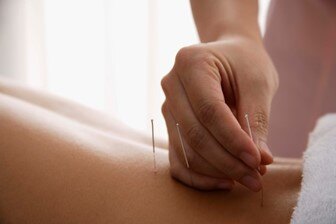
Acupuncture, another cornerstone of TCM, involves inserting thin needles into specific points on the body, known as acupoints. These points are located along meridians, which are pathways through which vital energy, or "Qi," flows. By stimulating these points, acupuncture aims to restore balance to the body’s energy systems, alleviate pain, and promote overall health. Modern research suggests that acupuncture may influence various physiological processes, including the nervous system, immune response, and hormonal balance.
The Synergistic Effects of Combining Cupping Therapy and Acupuncture
Enhanced Circulation and Pain Relief
One of the primary benefits of both cupping and acupuncture is improved circulation. Cupping increases blood flow to the affected areas, helping to reduce muscle tension and promote healing. Acupuncture, on the other hand, stimulates the flow of Qi and blood throughout the body, addressing blockages and imbalances. When used together, these therapies can significantly enhance circulation, reducing inflammation and pain more effectively than either treatment alone.
Complementary Mechanisms of Action
Both modalities work through different mechanisms, making them complementary treatments. Cupping focuses on the superficial layers of the body, targeting muscle tension and promoting local blood flow. Acupuncture, however, works on a deeper level, influencing the body's energy systems and internal organs. By addressing both superficial and deep-seated issues, the combined approach offers a more comprehensive treatment, addressing the root causes of various health problems.
Stress Reduction and Relaxation
Both are also known for their relaxing effects. Cupping can help to release physical tension, while acupuncture promotes relaxation by balancing the body’s energy systems. Together, these treatments can effectively reduce stress and promote a sense of calm and well-being. This is particularly beneficial in our fast-paced, high-stress world, where chronic stress is a common issue that can lead to various health problems.
Boosting the Immune System
The immune-boosting effects of acupuncture are well-documented, with studies showing that it can enhance the activity of immune cells and improve the body’s ability to fight off infections. Cupping therapy also has immune-modulating effects, helping to detoxify the body and promote lymphatic drainage. When combined, these treatments can provide a powerful boost to the immune system, helping to protect against illness and support overall health.
Conclusion
The combination of these two modalities offers a powerful and holistic approach to health and well-being. By leveraging the unique benefits of each therapy, individuals can experience enhanced circulation, reduced pain, improved stress management, and a stronger immune system. As more people seek natural and integrative health solutions, the synergistic effects of these ancient practices provide a compelling option for achieving optimal health.