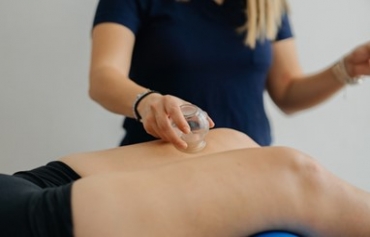






Pain is a universal experience that can be debilitating, whether it results from injury, chronic conditions, or muscle tension from physical activity. Electrotherapy has gained popularity as a non-invasive, drug-free method of pain management and muscle recovery. By using electrical impulses to stimulate nerves and muscles, this modality offers a safe and effective option for managing discomfort and promoting healing. The following article explores the benefits of electrotherapy, how it works, and best practices for incorporating it into various therapeutic settings.
Electrotherapy Explained
Electrotherapy involves the application of electrical impulses to targeted areas of the body through small adhesive pads placed on the skin. These electrical currents stimulate nerves or muscles to reduce pain, improve circulation, and promote healing. There are different types of devices available, but one of the most commonly used methods is Transcutaneous Electrical Nerve Stimulation. TENS unit electrodes deliver low-voltage electrical pulses to interrupt pain signals sent to the brain, providing relief for both acute and chronic discomfort.
In order to maintain the effectiveness of this type of pain management therapy, it's important to regularly check and replace the adhesive pads used with the device. Over time, the adhesive can wear out, reducing their ability to conduct electrical impulses effectively. TENS replacement pads are essential for ensuring proper contact with the skin and maximizing the therapeutic benefits of the treatment. Keeping up with replacing the pads after the recommended number of uses is a simple but crucial part of maintaining an effective pain management regimen.
Another form of electrotherapy, Electrical Muscle Stimulation (EMS), focuses on stimulating muscle contractions. EMS is often used by athletes and in physical therapy settings to improve muscle strength and speed up recovery from injuries.
How it Helps with Pain Management
Electrotherapy offers several mechanisms by which it can alleviate pain. Here’s how it works:
Blocking Pain Signals: Electrotherapy devices send electrical impulses to the nerves, which interfere with the pain signals being sent to the brain. This "pain gate" mechanism essentially blocks the pathway, reducing the perception of pain.
Releasing Endorphins: Electrical stimulation can trigger the release of endorphins, which are the body's natural painkillers. By increasing endorphin levels, electrotherapy creates a sense of well-being while minimizing pain.
Reducing Inflammation and Swelling: Electrical impulses help improve blood flow to the affected area, reducing inflammation and promoting faster recovery. This increased circulation brings more oxygen and nutrients to the tissues, aiding in the healing process.
Muscle Relaxation and Spasm Relief: Muscle spasms can contribute to significant discomfort, particularly in conditions like sciatica or fibromyalgia. This treatment helps relax muscles, relieving spasms and reducing stiffness.
Benefits for Muscle Recovery
In addition to pain management, this modality is widely used for muscle recovery, particularly among athletes and individuals undergoing physical therapy. By stimulating muscle contractions, it can accelerate healing and improve muscle function. Here are some of the benefits for muscle recovery:
Increased Muscle Strength: EMS can help strengthen weak or atrophied muscles by causing controlled muscle contractions. This is particularly beneficial for people recovering from surgery or injuries that have limited their ability to use certain muscle groups.
Enhanced Recovery Post-Workout: Athletes often use electrotherapy to speed up recovery after intense physical activity. By improving blood flow and relaxing muscles, electrotherapy helps reduce soreness and prevent delayed-onset muscle soreness (DOMS).
Prevention of Muscle Atrophy: After injury or surgery, muscles can lose mass and strength due to disuse. Electrical stimulation therapy helps keep muscles active during recovery, preventing atrophy and promoting faster rehabilitation.
Improved Range of Motion: It also helps reduce muscle tightness and spasms, which can improve the overall range of motion for individuals recovering from injuries or surgeries.

Best Practices
To maximize the benefits, it’s important to follow best practices in both therapeutic and home-use settings. Here are some tips:
Placement
The effectiveness of transcutaneous electrical stimulation depends largely on where the conducive pads are placed on the body. For pain management, they should be positioned around the area experiencing discomfort, near the nerve pathways related to that pain. For muscle recovery, the pads should be placed over or around the muscle groups needing stimulation. Many devices come with detailed placement guides to help users get the most out of their therapy sessions.
Adjusting the Intensity
Start with a low intensity and gradually increase it to a level that is comfortable but still effective. Too high a setting can cause discomfort or even muscle fatigue. The goal is to feel a strong but pleasant tingling sensation. Always refer to the device's user manual for recommended settings based on the type of treatment being performed.
Timing the Sessions
The length of treatment sessions can vary depending on the goal, but typically, a session lasts between 15 to 30 minutes. It's important not to overuse these products. For pain management, a few sessions per day can be helpful. For muscle recovery, shorter, more frequent sessions may yield the best results.
Keeping the Skin Safe
To avoid skin irritation, make sure the skin is clean and dry before applying. Replace pads regularly as they lose their stickiness and effectiveness over time. If any redness or irritation occurs, take a break and allow the skin to recover before resuming treatment.
Consult with a Healthcare Professional
While electrotherapy can be an excellent tool for pain management and muscle recovery, it’s important to consult with a healthcare provider or physical therapist, especially if using the device to manage chronic pain or during post-surgical recovery. Professionals can provide personalized guidance on the best use of electrotherapy based on individual health conditions and needs.
Uses in Different Therapeutic Settings
Electrotherapy is versatile and can be used in a variety of settings, including:
At-Home Use: Many of these therapeutic units are compact and portable, allowing individuals to manage pain and muscle recovery in the comfort of their own homes. These devices are simple to operate and can be tailored to different types of discomfort.
Physical Therapy Clinics: Physical therapists frequently use these modalities as part of a rehabilitation plan for patients recovering from surgery, injuries, or chronic conditions. When combined with other treatments like manual therapy and exercises, electro-stimulation can speed up recovery.
Athletic Training: Professional athletes and fitness enthusiasts use this treatment to manage muscle soreness, prevent injuries, and enhance post-workout recovery. Portable EMS devices have become a staple in the toolkit of athletes looking for non-invasive recovery methods.
Conclusion
Electrotherapy offers a powerful, non-invasive option for pain management and muscle recovery. Whether you're dealing with chronic pain, recovering from an injury, or looking to optimize athletic performance, the right electrotherapy device can make a significant difference. By following best practices, consulting with professionals, and using electrotherapy consistently, you can experience long-term benefits and improve your overall quality of life.